How Outdoor Contemporary Art Shapes Travel Memories
Contemporary outdoor installations transform public urban spaces into personal visual records for travelers and art enthusiasts.
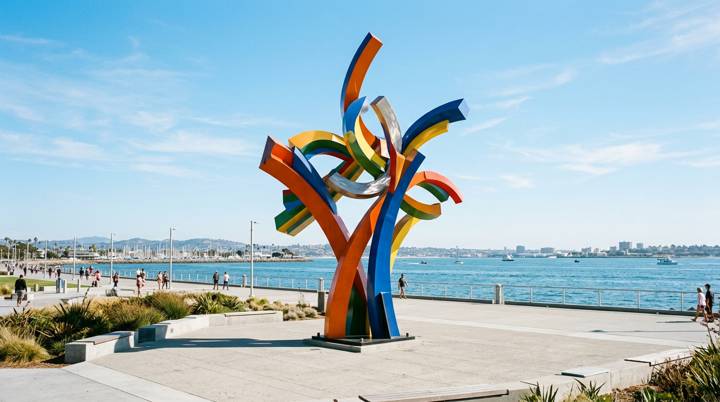
Documenting Temporary Outdoor Sculptures in Public Spaces
Public art installations in coastal urban districts give travelers a distinct sense of place. When contemporary artists place large-scale works in open plazas or alongside bayfront walkways, the surrounding natural environment continuously alters how observers interact with the material. Light, wind, and changing sea conditions actively reshape how a monument or sculpture appears throughout the day. Viewers often return at different times to record how natural light shifts across metallic or painted surfaces, building a detailed personal visual archive of a single journey.
Capturing these ephemeral works on camera allows visitors to retain tangible stories long after an exhibition finishes. In coastal cultural hubs, viewing sculptural forms from water-based perspectives offers a different understanding of scale and structure. For observers interested in documenting waterfront installations in Dubai, reviewing details with Suhail Yachting on https://yacht-dubai-marina.com outlines ocean transport choices for viewing coastal art sites from the sea.
Archiving Ephemeral Exhibitions Through Personal Photography
Contemporary visual art frequently relies on temporary permits, seasonal festivals, and international museum loans. Because many of these outdoor exhibits disappear after a few months, personal photography becomes the primary medium through which individual viewers preserve their experience. A snapshot taken beside a monumental bronze form or an interactive outdoor sculpture acts as an anchor for memory, linking a specific date and geographic location with a broader cultural narrative.
Beyond simple souvenirs, these photographic records contribute to collective cultural archives. When travelers share images of public murals, beachside installations, or temporary gallery pop-ups, they document how local communities interact with modern art projects. These shared visual journals highlight the ongoing dialogue between urban architecture and expressive design, showing how physical installations alter everyday streetscapes and public plazas.
The Role of Narrative in Cultural Travel Experiences
Visual memories are rarely complete without personal stories that frame the original encounter. A visitor describing an experience with a sound installation or a vibrant mural along a dynamic district street often focuses on context: the surrounding sounds, the local climate, and the spontaneous conversations sparked by the artwork. These experiential details turn simple sightseeing into meaningful cultural engagement that lingers long after returning home.
As international travel and contemporary art continue to intersect, art walks and outdoor gallery districts remain central to urban exploration. Documenting these visits through written notes, sketched studies, or photographic series ensures that temporary creative expressions retain a permanent place in personal and shared cultural memory.
Through careful documentation and shared travel narratives, contemporary art installations remain active long after their physical removal, inspiring future journeys and fostering creative dialogue across international communities.